Tea, officially, is a beverage made by steeping parts of the Camellia sinensis (tea tree) plant. Although there are plenty of herbal drinks that we refer to as tea today. The tea tree originates in Asia. The earliest accounts of tea date to the Shang Dynasty (1600-1046 BC), where it was consumed as a medicinal drink. Chá (茶), the current word for tea in Chinese, wasn’t used until the 8th century CE. Before the Song Dynasty (960-1279 CE), tea was usually prepared with add-ins like ginger, onion, and spices. These two facts suggest that tea used to include several plants.
While the exact origin of tea is hard to pin down, we have various legends of how tea was discovered. The oldest of which comes from China. Emperor Shennong was drinking from a bowl of boiled water as he had decreed that everyone must boil water before drinking it. A few leaves were blown into his cup by the wind, causing it to change color. The emperor took a sip and was awed by its flavor and restorative properties, and thus, tea drinking began.
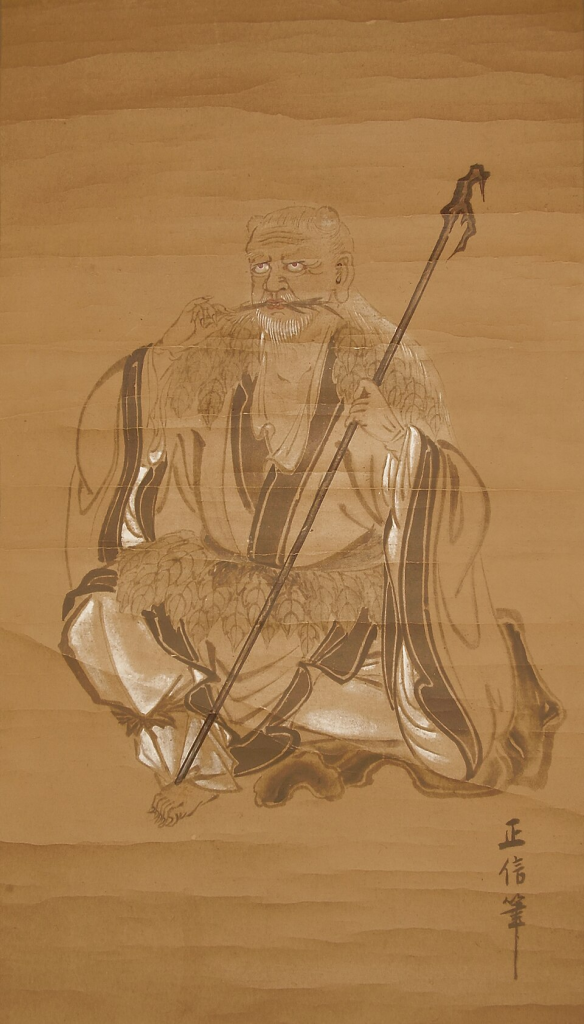
Japanese painting depicting Shennog, also known as as the first Yan Emperor, who became a deity in Chinese lore. It’s suggested he discovered tea in 2737 BC.
While there are references to tea by travelers, tea didn’t truly spread to the Western world until the 16th century. The Dutch East India Company is the first to start importing tea en masse into Europe, with other countries quickly following suit. The British East India Company began importing tea into Britain in 1650; a hundred years later, it had become Britain’s national drink. Keeping up with demand was difficult; there were very few goods China would trade for other than silver. Britain started exporting opium into China to make up for their lack of silver. This majorly contributed to social problems in China, causing them to ban the import of opium. This would lead to two Opium wars demanding that China allow the sale of opium so Europe could keep the price of Chinese goods low
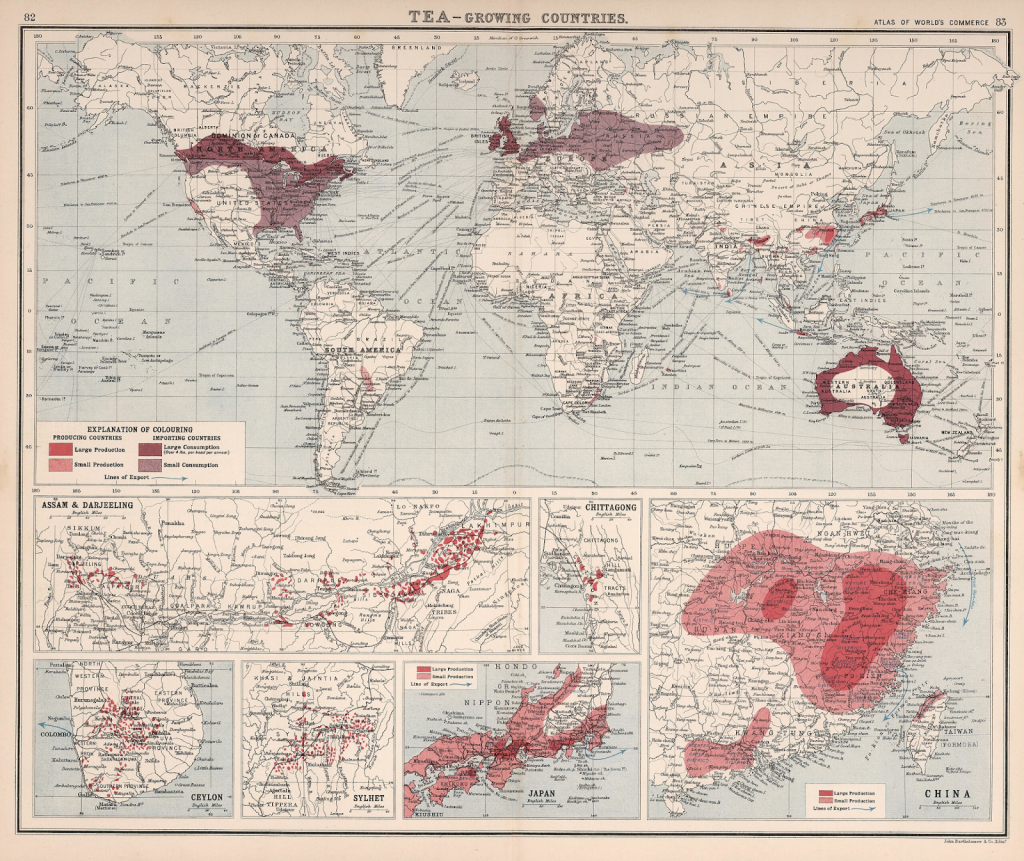
World Map of tea exporters and importers, 1907
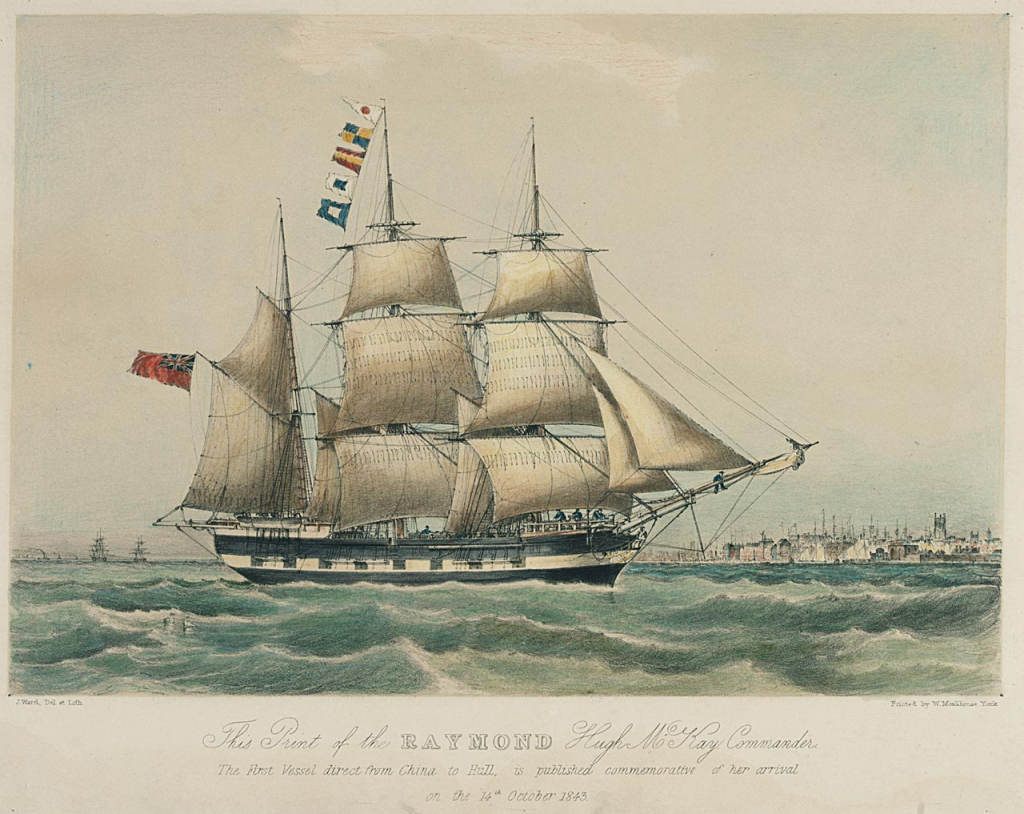
The Raymond, Hugh Mckay Commander. The fist vessel direct from China to Hull, Quebec, on her arrival on 14 October 1843 with a cargo of tea
Indigenous tea
| While Camellia sinensis (tea tree) is not native to North America, First Nations have been consuming their own versions of tea since time immemorial. Several different plants are used to create herbal teas, both for enjoyment and medicinal purposes. Labrador-tea can be found all over Canada and is used by many different communities as a beverage. The plant contains an oil called sesquiterpenoid ledol, which creates an effect similar to caffeine. The Yerba Buena plant creates a tea with a slightly minty flavor and is used to treat various aches and poor digestion. |
Tea in Canada
Tea was brought to all of Britain’s colonies, including Canada, by the East India Company. In fact, the Trade and Navigation Acts of 1763 meant no one else could. Among white immigrants, tea was seen as political; drinking it was seen as tying oneself to Britain as well as a class signifier. Indigenous communities that traded with the Hudson Bay Company would receive tea as a gift. The exchange of gifts was seen as building goodwill between traders. The Innu nation was especially fond of black tea and would stuff fabric dolls (often made of caribou hide) with it to transport it. When all the tea was consumed, the dolls would be re-stuffed with grass.
Types of Tea
The plant’s sub-variety or cultivar, the environment it grew in, the cultivation practice, the time the tea leaves are plucked, and how the tea is processed all have an effect on the flavor. Tea is traditionally sorted into 6 categories based on processing method: white, green, yellow, oolong, black (the most common tea consumed in the West), and pu-erh. Yellow and pu-erh teas are only produced in China due to their unique processing methods.
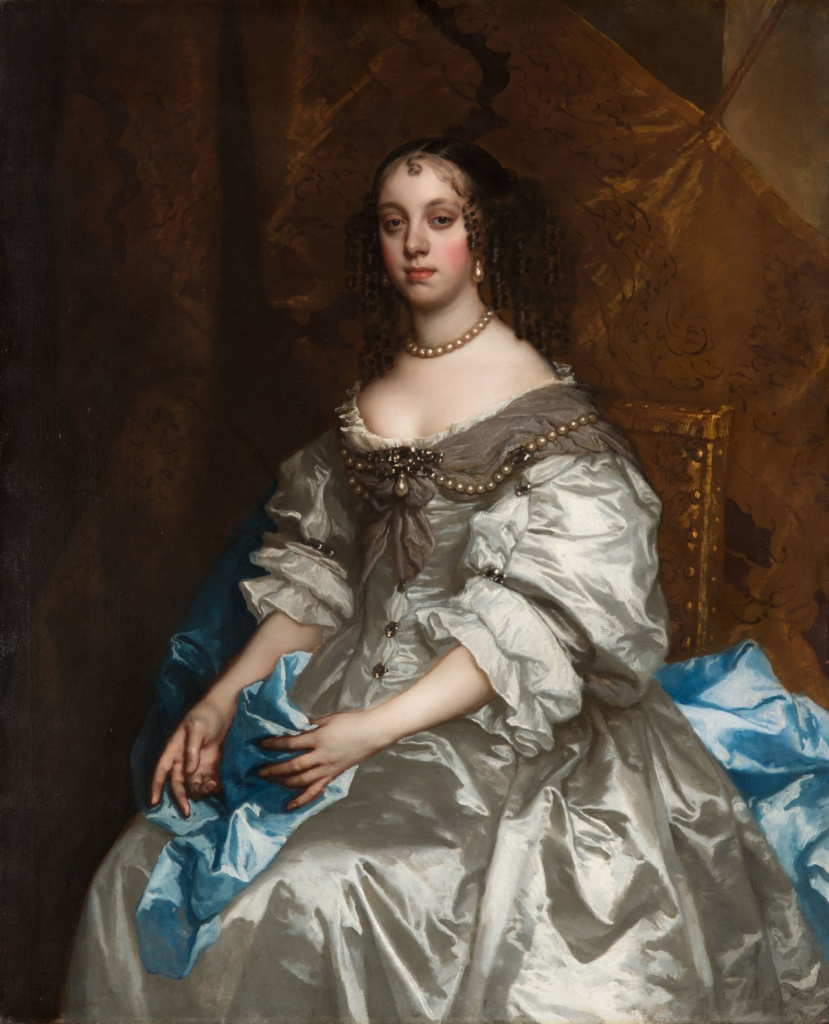
Catherine of Braganza, was Queen of England, Scotland and Ireland through her marriage to King Charles II. It’s believed that Queen Catherine was the one that popularized drinking tea in England, importing the custom from Portugal.
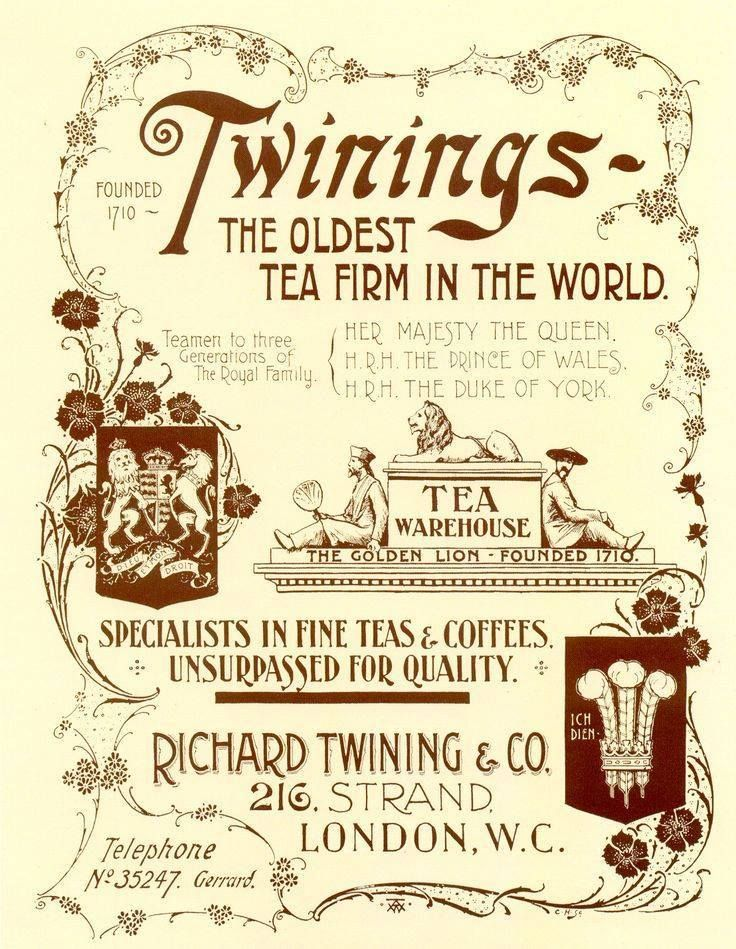
Twining’s is the oldest tea company in the world